Lisbon, Sintra, Evora, Alentejo,
Guimares, Braga,
Douro Valley
Folk Dancing, Music, History, Culture, Adventure, and Friendship!
When: October 7-16, 2027
Features 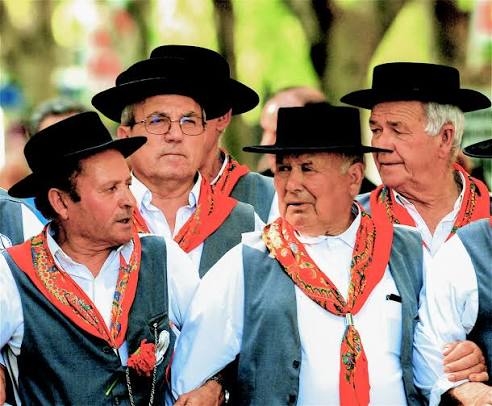
★ Live Fado performances
★ Traditional Rancho Folclórico workshop
★ Exclusive experience with a Cante Alentejano Choir
★ Live performance by a traditional Coimbra Academic Tuna
★ Meet with Orchestra of Traditional String Instruments of Minho
★ Live performance by the Pauliteiros de Miranda
★ Interactive Pauliteiros workshop
★ Learn folk dancing with locals
★ For dancers, non-dancers, and anyone with a love of travel and culture.
Download Portugal 2027 itinerary pdf
Land Price: $5,995
Bring a new traveler and save $500!
(Private tour price: $7995)
To see our 3 choices of payment method, click here.
I can’t wait to go! Reserve my place with my $200 deposit per person.
Visit our Portugal Learning Center
You’ll find Portuguese travel tips, history, language, culture, videos, and more
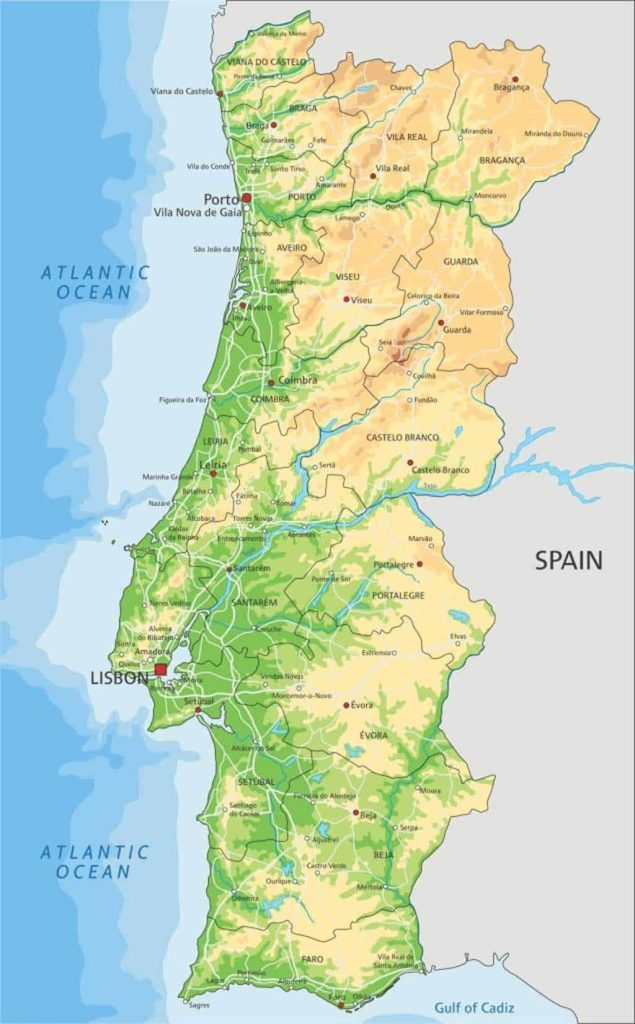
Bem-vindo a Portugal! Welcome to Portugal!
Itinerary
Day 1. Thursday, September 23: LISBON
Your First Taste of Portuguese Soul
Upon arrival at Lisbon Airport, you will be welcomed by your private guide and driver and transferred to your Marques de Pombal hotel-5 nights. In the evening, begin your Portuguese journey with a memorable welcome dinner in one of Lisbon’s traditional Fado restaurants, where gastronomy, music and culture come together to offer an authentic introduction to the country’s identity.
During this special evening, you will discover Fado, Portugal’s most emblematic musical expression and recognized by UNESCO as Intangible Cultural Heritage of Humanity. Accompanied by the distinctive sound of the Portuguese guitar, the performance will reveal the emotions, stories and traditions behind this centuries-old art form, deeply connected to the historic neighborhoods and the soul of Lisbon.
Included: Private arrival transfer and assistant Lisbon Airport to the hotel. Private transfer Hotel – Fado Restaurant – Hotel. Welcome dinner with live Fado performance and assistant
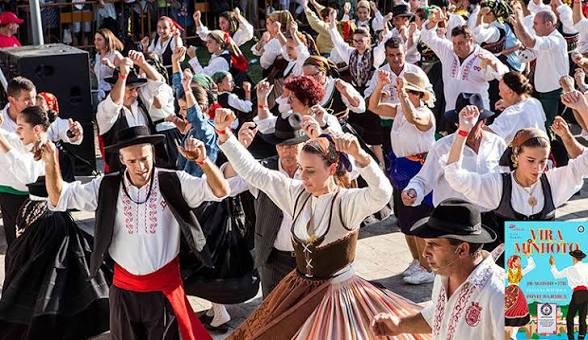
Dancing Vira Minhoto
Day 2. Friday, 24th September: LISBON
Where the City Sings: The Soul of Fado
Today you will discover Lisbon through its extraordinary historical heritage and one of Portugal’s most treasured cultural expressions: Fado.
The day begins in Belém, one of Lisbon’s most emblematic districts, where you will visit the magnificent Jerónimos Monastery, a masterpiece of Manueline architecture and one of Portugal’s greatest artistic treasures. During the visit, you will admire its remarkable architectural details while discovering the important role that art, religion and exploration have played throughout the country’s history.
The experience continues with a tasting of the famous Pastéis de Belém, one of Lisbon’s most iconic culinary traditions and a delicious example of how gastronomy forms an essential part of Portuguese cultural heritage.
In the afternoon, immerse yourself in the world of Portuguese music with a visit to the Fado Museum, an essential place to understand the origins, evolution and emotional depth of this unique musical expression. Through its remarkable collection, you will discover the connection between Fado and Lisbon’s historic neighbourhoods such as Alfama and Mouraria, the importance of the Portuguese guitar, and the artists who have shaped this tradition over generations.
Recognized by UNESCO as an Intangible Cultural Heritage of Humanity, Fado reflects the feelings, memories and stories of the Portuguese people, transforming everyday experiences into a powerful artistic expression.
Included: Private vehicle and guide during the journey. Tickets to Jerónimos Monastery and Fado Museum. Pastéis de Belém tasting.
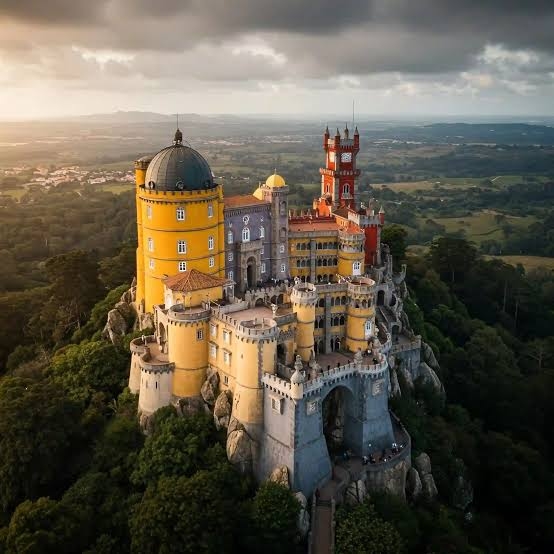
Pena Palace Sintra
Day 3. Saturday, 25th September: SINTRA
Between Royal Palaces and the Rhythms of Tradition
Today you will discover Sintra from a different perspective, exploring not only its extraordinary historical and architectural heritage, but also the traditions, music and dances that continue to shape Portuguese cultural identity.
The experience begins in the charming historic center of Sintra before continuing with a visit to the National Palace of Sintra, one of Portugal’s most emblematic monuments and a former residence of the Portuguese Royal Family. Throughout the visit, you will uncover the fascinating history of the royal court, learning about the artistic, musical and cultural traditions that surrounded palace life and contributed to the evolution of Portuguese heritage over the centuries.
The journey through Sintra’s identity continues with a tasting of one of its most famous local specialities, the Travesseiro de Sintra, a traditional pastry that has become a true symbol of the town’s gastronomy and culinary heritage.
In the afternoon, immerse yourself in the vibrant world of Portuguese folklore through a special encounter with a traditional Rancho Folclórico from the Sintra region. This authentic experience offers the opportunity to discover the origins of Portuguese folk traditions, admire colourful traditional costumes, learn about the instruments and rhythms that accompany local celebrations, and understand how music and dance have preserved the stories and customs of communities throughout the country.
The experience culminates with a live folk performance followed by an interactive workshop, where participants can learn some traditional dance steps together with the local performers, creating a unique connection with the people who keep these traditions alive.
Included: Private vehicle and guide during the journey. Tickets to National Palace of Sintra. Traditional pastry tasting. Portuguese folk dance workshop with a traditional Rancho Folclórico.
Cante Alentejano choir
Day 4. Sunday, September 26: EVORA & ALENTEJO
The voices of the Land, the Heart of Portugal
The cultural immersion continues with a unique encounter with a local Cante Alentejano choir, the guardians of one of Portugal’s most distinctive traditions, recognised by UNESCO as an Intangible Cultural Heritage of Humanity. Through this authentic meeting, participants will discover the origins of this powerful collective singing tradition, deeply rooted in the rural communities of the Alentejo, where voices accompanied daily work, celebrations and moments of community life.
The choir members will share the stories behind this centuries-old tradition, explaining the meaning of the different vocal parts and how this unique musical expression has been preserved and passed from generation to generation. The experience culminates with a live performance, offering the opportunity to feel the emotion and strength of a tradition where the voices of the people become the true voice of the land.
Included: Private vehicle and guide during the journey. Tickets to Évora Cathedral, Exclusive experience with a traditional Cante Alentejano Choir
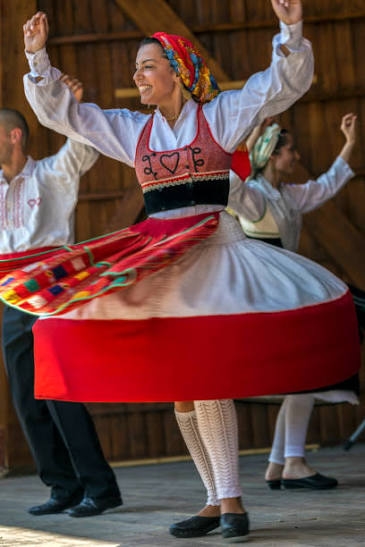
Portuguese dancers
Day 5. Monday September 27: Today is yours to enjoy at your own pace. Take the opportunity to explore Lisbon independently, stroll through its charming historic neighborhoods, relax at one of its many cafés, or simply enjoy some free time before continuing your cultural journey through Portugal.
Day 6: Tuesday, September 28: FROM LISBON TO PORTO
Discovering Coimbra, the Voice of Academic Tradition
Today you will travel north towards Porto. City Center hotel: 4 nights. Discover Coimbra, one of Portugal’s most historic cities and a place where knowledge, tradition and music have shaped its identity for centuries.
Your visit begins at the prestigious University of Coimbra, one of the oldest universities in Europe and one of Portugal’s greatest cultural treasures. As you explore this remarkable institution, you will discover its fascinating history, centuries-old academic traditions and the important role it has played in shaping Portuguese culture and intellectual life. The experience continues with a visit to the magnificent Joanina Library, a true Baroque masterpiece and one of Portugal’s most extraordinary cultural landmarks. Its impressive architecture, rich decoration and historic collections reflect the importance of knowledge and art throughout the centuries.
But Coimbra’s soul is not only found in its buildings and history; it also lives through its music and traditions. To complete this cultural immersion, participants will enjoy a performance by one of the city’s traditional Academic Tunas, groups deeply connected to university life and Portuguese musical heritage.
Dressed in their traditional academic attire and accompanied by their instruments, the students will share songs that celebrate friendship, youth, learning and the unique spirit of Coimbra. This living tradition, passed down from generation to generation, offers a fascinating insight into the emotions and memories that continue to unite the university community.
Included: Private vehicle and guide during the journey. Tickets to University of Coimbra and the Joanina Library. Live performance by a traditional Coimbra Academic Tuna
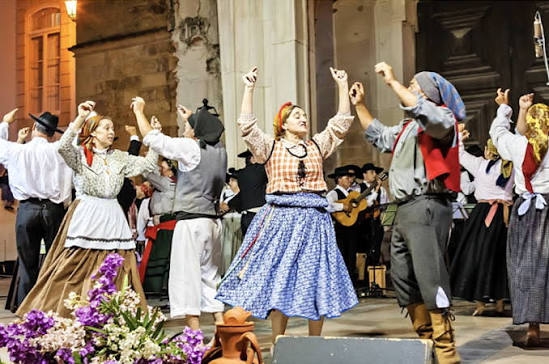
Portuguese folk-dance northern Minho tradition.
Day 7. Wednesday, 29th September: PORTO A city painted in Blue, Shaped by Art and Defined by Wine
Today you will discover Porto, a city where art, history and tradition come together to create one of Portugal’s most fascinating cultural destinations.
Your exploration begins in the historic centre with a visit to some of Porto’s most iconic landmarks, including São Bento Railway Station, renowned for its magnificent blue-and-white azulejos depicting scenes from Portuguese history, traditions and everyday life.
These extraordinary ceramic panels offer a first glimpse into one of Portugal’s most distinctive artistic expressions, revealing how tiles have become much more than decoration: they are a true visual language that tells the stories, landscapes and identity of the Portuguese people.
The cultural immersion continues with a traditional azulejo painting workshop, where participants will discover the techniques used by Portuguese artisans and experience the creative process behind this centuries-old craft. Each participant will have the opportunity to create their own tile inspired by traditional Portuguese designs, taking home a unique piece connected to the country’s artistic heritage.
The day concludes with a visit to one of Porto’s historic Port Wine cellars, where participants will uncover the fascinating story behind this world-renowned wine, its deep connection with the Douro River and its importance in shaping the cultural and economic identity of northern Portugal.
Included: Private vehicle and guide during the journey. Visit to a Porto wine cellar with tasting. Traditional Rabelo boat cruise. Traditional Portuguese tile-painting workshop
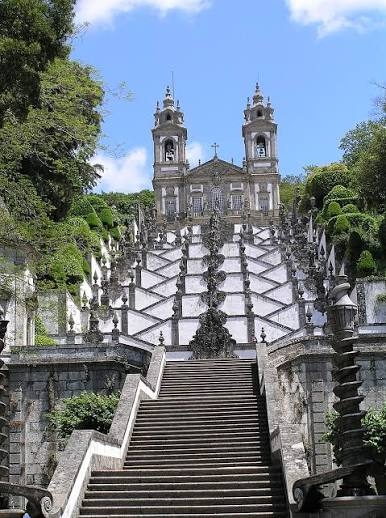
Sanctuary of Bom Jesus do Monte, Braga
Day 8. Thursday, September 30: GUIMARAES & BRAGA
Where Portugal’s Traditions Come to Life
Today you will journey into the heart of northern Portugal, discovering the regions of Guimarães and Braga, where history, folklore and music continue to preserve some of the country’s most cherished traditions.
Your first stop is Guimarães, widely regarded as the birthplace of Portugal. Here you will visit the magnificent Palace of the Dukes of Braganza, a splendid 15th-century residence that offers a fascinating insight into the lives of the Portuguese nobility. As you explore its elegant halls and remarkable collections of furniture, tapestries, weapons and works of art, you will discover the rich history that helped shape the Portuguese nation.
The journey continues to Braga, where you will visit the Museum of Traditional Costume, dedicated to preserving the ethnographic heritage of the Minho region. Through its outstanding collection, you will discover the beauty and symbolism of traditional Portuguese costumes, learning how colours, embroidery and jewellery reflect local customs and how traditional dress has always been closely connected with music, festivals and folk dancing.
The cultural immersion culminates with an exclusive experience organised by the Orchestra of Traditional String Instruments of Minho (OCTM). During an inspiring live concert, participants will discover the sounds and rhythms that have accompanied local celebrations for generations before taking part in a series of interactive workshops led by the musicians themselves.
This hands-on experience offers the opportunity to learn about—and even play—some of Portugal’s most iconic traditional instruments, including the cavaquinho, viola braguesa, bagpipes, concertina and mandolin, while discovering the stories and traditions behind each one.
More than a musical performance, this is a genuine encounter with the people who continue to preserve Minho’s cultural heritage, creating a meaningful connection with one of Portugal’s most vibrant and festive regions.
Included: Private vehicle and guide during the journey. Tickets to the Palace of the Dukes of Braganza. Visit to the Museum of Traditional Costume. Exclusive experience with the Orchestra of Traditional String Instruments of Minho
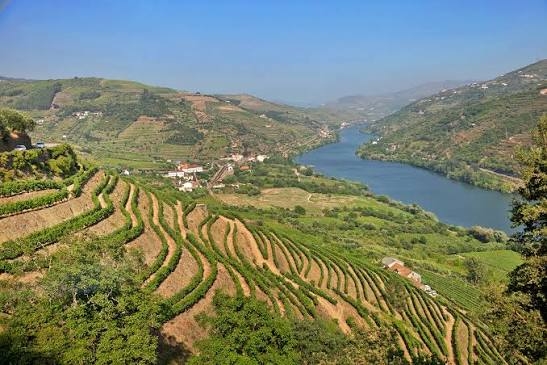
Douro Valley
Day 9. Friday, 1st October: DOURO VALLEY
Where Wine, Landscapes and Ancient Traditions Meet
Today you will journey into the spectacular Douro Valley, the world’s oldest demarcated wine region and a UNESCO World Heritage Site, where breathtaking landscapes, centuries-old vineyards and living traditions come together to create one of Portugal’s most extraordinary cultural treasures.
As you travel through the valley, you will enjoy several scenic stops at some of its most impressive viewpoints, taking in unforgettable panoramic views over the Douro River and the endless terraced vineyards that have shaped both the landscape and the lives of local communities for generations.
The experience continues at a renowned wine estate, where you will savour the authentic flavours of the region through a carefully prepared lunch paired with local wines. During the visit, you will discover the history of the estate, learn about the traditional winemaking process and gain a deeper understanding of the Douro Valley’s enduring importance in Portugal’s cultural and gastronomic heritage.
In the afternoon, immerse yourself in one of Portugal’s most distinctive folk traditions with a performance by the Pauliteiros de Miranda, an ancient warrior dance that has been preserved for centuries in the region of Miranda do Douro. Accompanied by the powerful sounds of bagpipes, drums and traditional percussion, the dancers perform intricate choreographies using wooden sticks, creating a captivating display of rhythm, strength and teamwork that reflects the rich cultural identity of northern Portugal.
The experience continues with an interactive workshop led by the performers themselves, offering participants the opportunity to learn some of the basic movements, discover the symbolism behind the dance and experience first-hand one of Portugal’s oldest living traditions.
Included: Private vehicle and guide during the journey. Visit to a local wine estate with wine tasting and lunch. Lice performance by yhe Pauliteiros de Miranda, Interactive Pauliteiros workshop.
Day 10. Saturday, 2nd October: FAREWELL PORTUGAL
Until We Meet Again
As your unforgettable journey through Portugal comes to an end, your private guide and driver will accompany you on a comfortable transfer to Porto Airport for your departure flight.
As you leave, take with you far more than beautiful photographs. Carry the memories of a country where music, dance, traditions, gastronomy and breathtaking landscapes come together to tell the story of its people. From the soulful melodies of Fado and Cante Alentejano to the vibrant rhythms of Minho, from the terraced vineyards of the Douro Valley to the historic streets of Lisbon, Sintra, Coimbra and Porto, each destination has revealed a different chapter of Portugal’s rich cultural heritage.
We hope this journey has offered not only the opportunity to discover Portugal’s remarkable history and traditions, but also to create meaningful connections with the local communities who proudly preserve them.
Até breve… until we meet again in Portugal!
REGISTRATION FORM: I can’t wait to go! Enclosed is my registration deposit of $200 per person. Single supplement: $995. Additional charges: $185 hotel taxes and service. Gratuities and drinks during meals not included. Program subject to change without notice. If fewer than 10 travelers participate, a fee of $750 will be added. Cancellations 90 days prior to departure: Total refund: Less than 90 days: No refund. Travel insurance always recommended. Total balance due June 1, 2027
Name____________________________________________________________ Address__________________________________________________________
No. of people_______Phone_(_____)_____________________________________
Make checks payable to: Jim Gold International, 497 Cumberland Avenue, Teaneck, NJ 07666 U.S.A Phone (201) 836-0362. Web site: www.jimgold.com E-mail: jimgold@jimgold.com
I
-
-
-
-
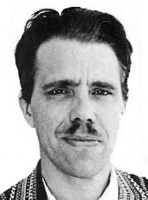
- The article “Folk Dances of Portugal” was written by Paul T. Pritchard in 1981. The Folk Dance Federation of California archive gives the byline explicitly as “By Paul T. Pritchard, 1981” and says it was printed in Folk Dance Scene in May 1981.
-
From the land of pouco tempo – Minho Province, where it seems time has stood still in the undisturbed beauty of the countryside, to the fiery sun-baked slopes of mountainous Algarve, Portugal’s 350-mile length abounds in a rich wealth of folk dances and costumes. As one travels south from the Spanish Galician border, the mood of the music and dance seems to keep pace with the climate. East to west (and there is not too much distance here – at the widest part, scarce 140 miles), the leaps and bounds the dancers utilize to keep warm in the winter heights of the Tras-os-Montes smooth out as they reach the coast and the fisher dances of the Litoral and Estramadura.
Probably, these dances of the fishermen are the best known of Portuguese dances, at least, to the tourist and through them, the international folk dancer. Many are very localized, seen only in their respective villages, and then only on special festive occasions. Because, perhaps, there is quite a scarcity of Portuguese dance in notated form. The dances of the country are not well known outside of Portugal itself and Portuguese ethnic colonies abroad. Exceptions to this would be the various Viras and Chamarritas, and some Portuguese variants of Fandango.
Most of the outdoor folk dancing in Portugal occurs during the months of April through October, which is the occasion of most of the fiestas and Romarias. Nowadays however, enterprising Portuguese restauranteurs and theatrical producers have brought Portuguese folk culture to the cities, the tourist trade, and to a small degree of commercialism. “Fados” have long been sung in the cabarets of Lisbon, Oporto, and other urban centers. In recent years however, “folclor” has been turning up in the nightclubs and this “folclor” is folk dancing, both as stage perfomances by groups and (in smaller taverns) as participation activities.
Some examples of Portuguese dances from different provinces, and even areas of the same province, show a great diversity and characteristics which show influences of distant lands. This however is a common denominator to many maritime countries, where the sailors and fisher folk bring back examples of the cultures of other peoples along with their normal tradings.
Dances of the Estramadura and the coast northward include the fishermen’s dances which seem to picture the winding of coils of rope and the weaving of fishing nets, danced to an elusive rhythm. A village dance in Beira Litoral has a dance that is performed by young women, Dança Cantarinhas, where the dancers carry jars on their heads filled with sand and draped with flowers and perform a series of intricate figures with their steps in 3/4 time. In the town of Nazaré on the coast, there are numerous local dances. Here, in addition to the fisher dances, one will also find their local Vira. The festival of Our Lady of Nazaré in September is one of the better-known-to-tourists events, and for three days, much dancing may be seen.
Up north in Minho there is a variety of dances. In addition to the Vira (Minho’s is different from that of Lisbon or Nazaré) there is a contra-type Jota, a similar but faster version called Pretinho, and a couple dance called Pai do Ladrãg;, and a two-couple set similar in formation to the Vira called Verdegaio. A castanet dance, Chula, is in longways form with leaping turns.
South of the Tagus on the plains of Alentejo Alto and Baixo, there is not much dancing. What there is, is only occasional, such as the annual May Fair in Estramoz and the August festival in Beja which occupies two full weeks. Other occasions are Christmas and the local Romerias. Dances here are less hectic, arms carried lower with fewer leaps. The people are poorer and after a hard day’s work in the fields, legs are tired and aching, especially if there was a long walk from home to the place of the dance. In the Algarve, the hot sun brings out the fiery dance, the Corridinho, regional dance of the area which is a couple-type Polka. To the extreme south, a dance of which variations may be found throughout Latin America, the Bança dos Mouros, the Dance of the Christians and Moors, that commemorates the battles between them. This area and Spanish Granada being the last strongholds of the Moriscans in Europe.
Within a fifty-mile radius of Lisbon may be found at least three major dance influences, the “fishermen’s dances” of Estramadura, the “cowboy dances” of the Campinos of the Ribatejo, and the “mountain dances” of the Beira. Of the second group, the Padeirinha and the Fandango danced at Vila Franca de Xira are great examples of exciting precision dancing. It is also in this village that the famous festival of the “red waistcoat” is put on every July, with a free-for-all running of bulls, but not the dangerous kind of Basque renown.
As in most European countries, Portugal also has many “ritual” dances. In addition to the previously mentioned Christian-Moor dances, there are others such as “Maypole” dances of Beira; a Pinhata (read our Latin American “piñata) dance during Carnival time in Lisbon; Morris-type (including sticks, bells, and ribbons) dances from the far northeast; midsummer eve dances; and others relating to the seasons and holidays. These are rarely seen beyond the confines of their particular local towns or on occasions other than the prescribed date for celebration.
Best known of Portuguese dances here among the Portuguese-Americans is the Chamarrita (with two or three spellings?). This, a large circle, in usually 3/4 time, has a caller who, outside or within the circle, calls the various changes of step or direction to the dancers. It seems to have crossed the Atlantic Ocean, and the continent, brought by immigrants from the Azores. There are a host of folklore tales concerning its origin. Who knows which is correct? What really matters is that when the call comes to join the Chamarrita, there will always be a rush towards the sound of the music by the throng of dance-happy Lusitanians.
Printed in Folk Dance Scene, May 1981.
-
-
-